

Crypto payments are secure by design, but they are not risk-free. The blockchain itself is hard to tamper with, and confirmed transactions are generally final, which gives businesses a strong base for secure transactions.
At the same time, most real losses happen above the protocol level through phishing, fake payment proofs, address substitution, poor wallet security, and simple operational mistakes.
For businesses, that means crypto payment security depends on both technology and process. A reliable gateway, strong wallet controls, transaction monitoring, and clear staff procedures all help reduce crypto payment risks before they turn into losses.
In this guide, we’ll look at the most common fraud scenarios, the most frequent payment errors, and the steps businesses can take to build a safer payment flow.
Are crypto payments secure?
At the protocol level, crypto payments rely on blockchain security, cryptographic verification, and decentralized recordkeeping. Once a transaction is confirmed on-chain, it cannot usually be rolled back in the way card payments can. That reduces chargeback exposure and gives merchants better transaction certainty.
But there is an important distinction here. A secure blockchain does not automatically mean a secure business process. The protocol may be sound, while the user layer remains vulnerable. That is where most crypto fraud prevention work happens.
A business can still lose funds through:
- a phishing attack against an employee
- a fake invoice or fake payment confirmation
- a wrong wallet address copied into checkout
- poor private key handling
- weak internal approval rules
- sending funds on the wrong network
So yes, crypto payments can be very secure. But secure crypto payments come from correct setup, not from blockchain design alone.
Cryptocurrency vs card payments
| Fiat payments | Crypto payments | |
|---|---|---|
| Transaction time | Instant in some systems, but cross-bank transfers still take longer | Settles within minutes, depending on network |
| Processing fees | Often includes processor, card, FX, and intermediary fees | Network fee and processing fee |
| Cross-border capability | Slower and more expensive | Simpler for global payments |
| Chargebacks | Possible with cards and some platforms | On-chain transfers are irreversible |
| Security model | Account-based, institution-controlled | Key-based, wallet-controlled |
Common crypto payment risks for businesses
Fraud and social engineering
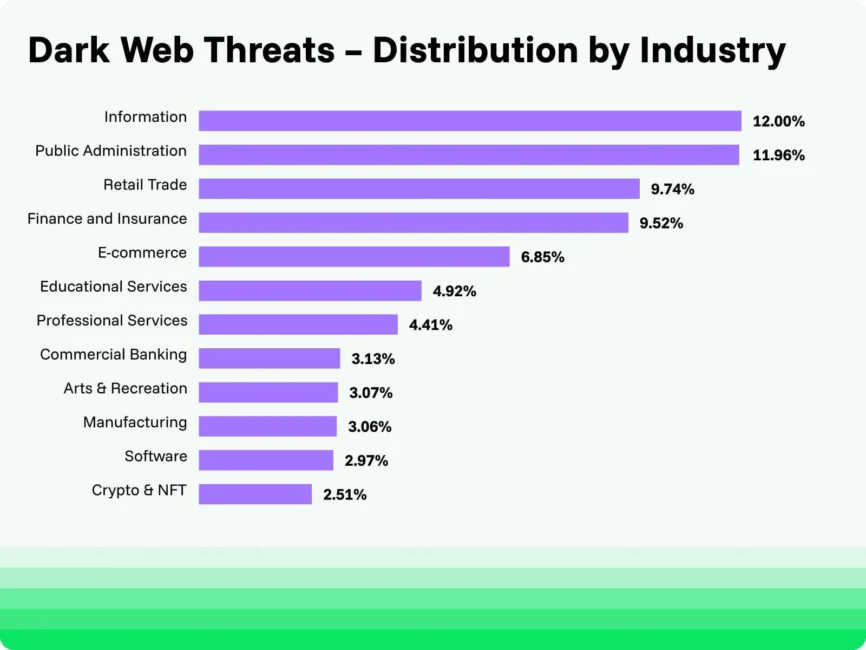
Many crypto payment fraud cases begin with social engineering, not with a technical exploit. Attackers impersonate vendors, support agents, founders, or even customers. They send fake invoices, swap payout addresses, or pressure staff into acting quickly.
Common patterns include:
- fake payment instructions sent by email or chat
- scam wallets presented as legitimate vendor addresses
- phishing pages that steal login details or wallet credentials
- manipulated screenshots used as false proof of payment
Human errors
Human error is still one of the biggest sources of loss in digital payments. In crypto, even a minor mistake can be expensive because transactions are generally irreversible once confirmed.
Frequent mistakes include:
- entering the wrong wallet address
- selecting the wrong network
- sending the wrong token
- sending the wrong amount
- skipping transaction verification before release
Payment processing issues
Not every failed payment is fraud. Some are operational. Delayed or unconfirmed transactions may come from network congestion, insufficient fees, or incomplete user actions. A merchant that relies on manual checks may misread transaction status and release goods too early.
Internal operational risks
Some of the highest risks are internal. Shared wallet access, weak approval policies, missing audit trails, and poor separation of duties can all expose a business to preventable loss. This is where wallet security and payment system security become board-level concerns, not just technical ones.
How crypto payment fraud happens
Fraud usually appears in a few repeatable forms:
- Fake payment confirmations. A customer or attacker sends a screenshot that looks valid, but no confirmed on-chain payment exists.
- Address substitution attacks. Malware or a compromised browser changes the wallet address during copy-paste, redirecting funds to the attacker.
- Man-in-the-middle attacks. A fraudster inserts themselves into communication between merchant and customer, replacing payment details.
- Scam wallets and malicious software. Staff may interact with rogue wallet apps, fake browser extensions, or infected devices that expose credentials or private keys.
These cases are different on the surface, but the root problem is often the same: the business relies on manual trust where automated transaction verification should be in place.
How to protect your business from crypto payment fraud
Use secure payment infrastructure
A professional crypto payment gateway security setup should reduce manual decision-making as much as possible. It helps merchants accept crypto payments, track transactions, and manage settlement. Additionally, the solution offers TXID-based tracking through blockchain explorers.
That gives businesses a stronger base for:
- automated transaction verification
- address validation
- network detection
- transaction monitoring
- cleaner audit trails
Implement strong wallet security
If you operate a company, it is essential to use reliable and legal crypto wallet for business with enterprise-grade security.
Good practice includes:
- using multi-signature approval for treasury actions
- storing larger balances in hardware or cold wallet setups
- limiting employee access by role
- protecting every private key with strict internal controls
- keeping approval logs for all outbound transfers
Verify every transaction
Never rely on screenshots alone. Check the transaction hash, confirm the destination address, verify the token, and confirm the network before releasing goods or services. With CryptoProcessing, deposits, withdrawals, and invoices can be checked through a TXID and opened in a public blockchain explorer.
Educate employees and customers
Fraud prevention gets stronger when people know what to look for. Staff should be trained to spot phishing attacks, impersonation, and urgent payment-change requests. Customers should receive clear payment instructions and be warned not to trust edited invoices or unofficial wallet addresses.
Monitor and audit payment flows
Real-time transaction monitoring, alerting, and recurring audits help detect suspicious behaviour early. CryptoProcessing’s compliance framework includes KYB, AML screening, ongoing transaction monitoring, KYT, transaction traceability, and risk scoring.
Preventing payment errors in crypto
Fraud is only half of the story. Crypto payment errors can be just as costly.
To reduce mistakes:
- use QR codes instead of manual address entry
- automate checkout and invoicing
- validate network and token before payment
- run small test transactions before larger transfers
- standardize internal payment approval steps
Role of crypto payment gateways in security
A crypto payment gateway does more than route funds. It can also act as a control layer for payment protection.
The strongest setups help with:
- address validation and network detection
- reduced manual errors
- transaction visibility in one dashboard
- automated confirmation checks
- compliance and monitoring workflows
CryptoProcessing, for example, offers a legal and secure way for merchants to accept crypto, convert it to fiat, and withdraw to a bank account, while its wallet and POS solutions ensure the secure handling of funds, compliance procedures, transaction traceability, and operational support.
Crypto vs traditional payment security
Crypto payments are transparent and usually irreversible once confirmed. That reduces classic chargeback fraud, but it also means businesses must get transaction verification right before acting. Card payments, by contrast, are reversible, which gives customers more recovery options but also exposes merchants to chargebacks and reserve requirements.
Crypto asks businesses to focus on wallet security, transaction checks, and employee discipline. Traditional systems put more pressure on dispute handling and chargeback exposure.
Businesses choose CryptoProcessing for crypto and stablecoin processing because we are a licensed crypto payment provider that fully complies with Know Your Business (KYB) and Anti-Money Laundering (AML) procedures. Security is a top priority, with advanced blockchain scoring, regular third-party security audits and an in-house compliance team to safeguard transactions.

Business impact of secure crypto payments
When businesses tighten crypto payment gateway security, fewer instances are to be expected. But the practice also improves payment success rates, customer trust, and internal efficiency.
Secure systems help businesses:
- reduce fraud losses
- avoid preventable payment errors
- improve treasury control
- give teams cleaner visibility over incoming and outgoing funds
Conclusion
Crypto payment security depends on the full business setup. The protocol gives you transparency, encryption, and transaction finality. Your internal process must do the rest.
Most crypto payment risks are preventable. With a secure gateway, stronger wallet security, transaction monitoring, staff training, and automated verification, businesses can accept crypto with more confidence and fewer errors.
FAQ – crypto transaction security
Are crypto payments safe for businesses?
Yes, they can be very safe when the business uses strong wallet controls, clear approval processes, and a secure payment gateway. The blockchain itself is resilient, but user-side mistakes and fraud still need to be managed.
Can crypto transactions be reversed?
Usually, no. Confirmed on-chain transactions are generally final. Any refund normally requires a new outbound transaction rather than a rollback.
How do I prevent sending funds to the wrong address?
Use QR codes, automated invoicing, address validation, test transactions, and strict transaction verification before sending.
What is the safest way to accept crypto payments?
For most businesses, the safest route is a professional payment gateway with monitoring, compliance checks, confirmation tracking, and reduced manual handling.
How can businesses avoid crypto scams?
Train staff to spot phishing and impersonation, never trust screenshots alone, verify TXIDs on-chain, secure private keys, and use multi-signature approvals for higher-risk transfers.